
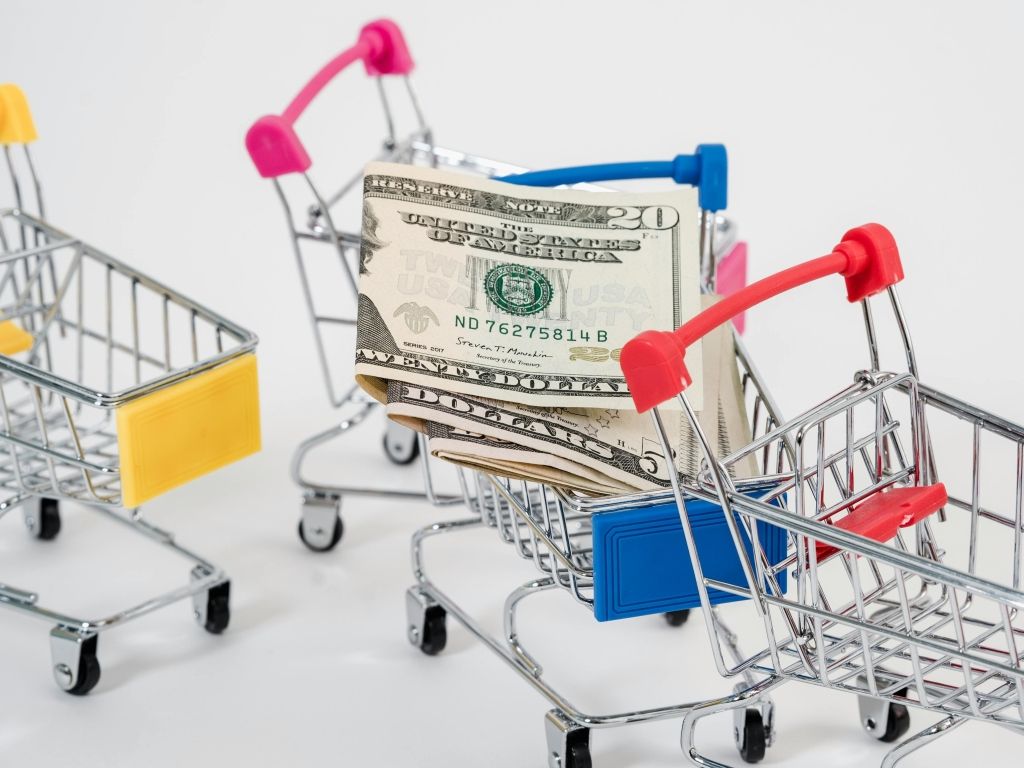
Tariffs will push inflation to 2.6% this year, exceeding the Federal Reserve’s 2% target, while also slowing economic growth to 2%, according to a Wolters Kluwer survey of U.S. corporate economists. The risk of recession has also risen, with economists assigning a 31% probability, marking a 6-percentage-point increase from last month. Economists from companies such as Comerica, Ford, Visa, and Eaton cite policy uncertainty, fluctuating tariffs, and the potential for reduced federal spending as major concerns. These factors could create a scenario of “stagflation-lite,” a combination of high inflation and sluggish economic expansion, according to Haver Analytics Senior Economist Sandy Batten. Despite concerns over inflation, Fed Chair Jerome Powell reaffirmed that price stability is improving and emphasized that inflation is likely to decline, albeit on an uneven path. He reiterated that the central bank will maintain its current interest rate range of 4.25% to 4.75% while adopting a cautious stance on future policy decisions.
Given the uncertainties surrounding tariffs, regulatory shifts, and potential government spending changes under the Trump administration, Powell stressed the importance of waiting for clearer economic signals before making any adjustments. Economists now expect the Fed to take a more measured approach, with a projected rate cut of only 0.42 percentage points this year far lower than earlier forecasts of a 1.08 percentage-point reduction in 2025. Most experts anticipate that the first rate cut will not occur until June or later. Long-term inflation expectations also remain elevated, with economists predicting that the personal consumption expenditures price index will average 2.2% between 2027 and 2036, suggesting that achieving the Fed’s 2% inflation target could be challenging. With 91% of surveyed economists believing that tariffs will significantly drive up inflation, businesses and policymakers must prepare for an extended period of rising prices and slower economic growth.