

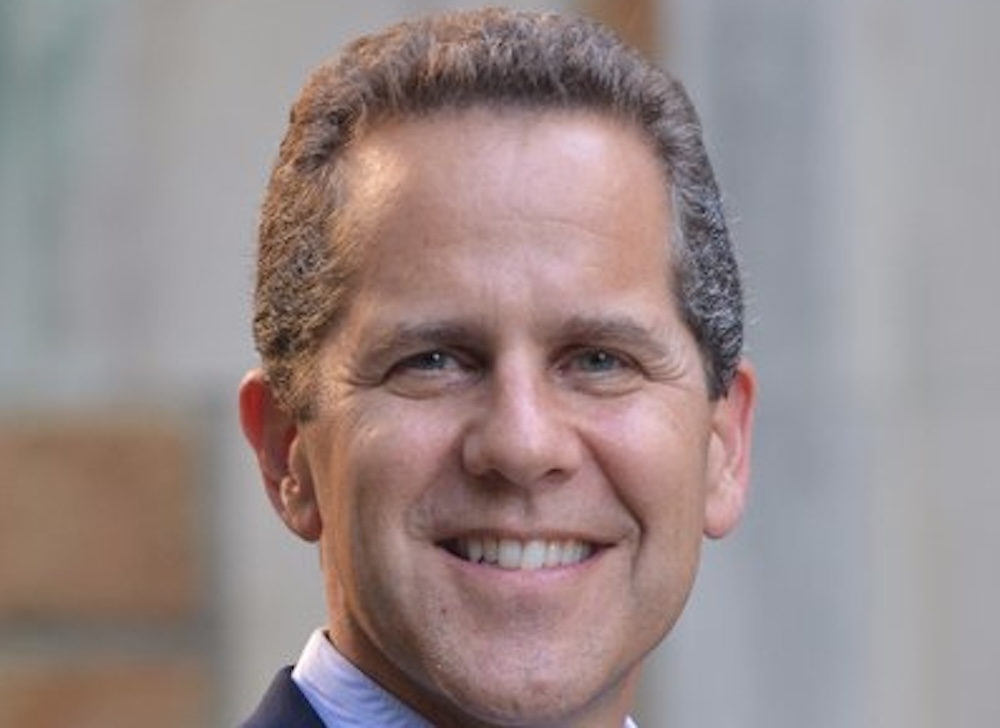
In a recent event hosted by The Clearing House, Federal Reserve Vice Chair for Supervision, Michael Barr, highlighted the central bank's approach to real-time payments (RTP) and the launch of the FedNow system. Barr emphasized that the Fed's goal is not to dominate the instant payment space but to complement its private-sector competitors, emphasizing the historical coexistence of public and private rails in the U.S. payment systems.
Speaking of FedNow, Barr acknowledged that due to the development of use cases and customer demand, adoption would take several years. He anticipates that banks will adopt both FedNow and RTP, fostering a complementary relationship between public and private payment solutions.
Barr addressed the conservative nature of the Federal Reserve, attributing the delayed development of an instant payment system to the institution's commitment to providing trustworthy and reliable services. Despite the late entry, Barr expressed optimism about the potential positive impact of FedNow, such as reducing overdraft fees and providing quicker access to funds for households and businesses.
While discussing the rollout of FedNow, Barr emphasized that the platform's introduction does not mark the end of the Fed's innovation in the payment space. He mentioned the ongoing exploration of crypto assets, which could lead to advancements in payments. The central bank is actively looking to add additional features to FedNow over time, ensuring its usability and effectiveness for banks.
Barr also touched upon the Fed's exploration of central bank digital currencies (CBDCs), highlighting the importance of research in understanding the potential benefits of underlying technologies. While he expressed skepticism about grandiose claims surrounding CBDCs, Barr acknowledged the value of researching technologies that could lower costs and improve efficiency in the payments system.
Beyond payments, Barr discussed efforts to rewrite regulations and enhance bank supervisory practices, emphasizing the importance of a cultural shift within the Fed's oversight and examination arms. The conversation also covered regulatory proposals, including changes to risk-weighted capital requirements for large banks, with Barr arguing that the proposed changes would strengthen the banking system while resulting in a minor increase in the cost of credit for individuals.
Barr affirmed the Fed's commitment to addressing financial stability risks, acknowledging that a functioning financial system is crucial for a healthy economy. He provided insights into the Fed's monetary policy stance, indicating that the central bank is likely at or near the peak of its tightening cycle.