
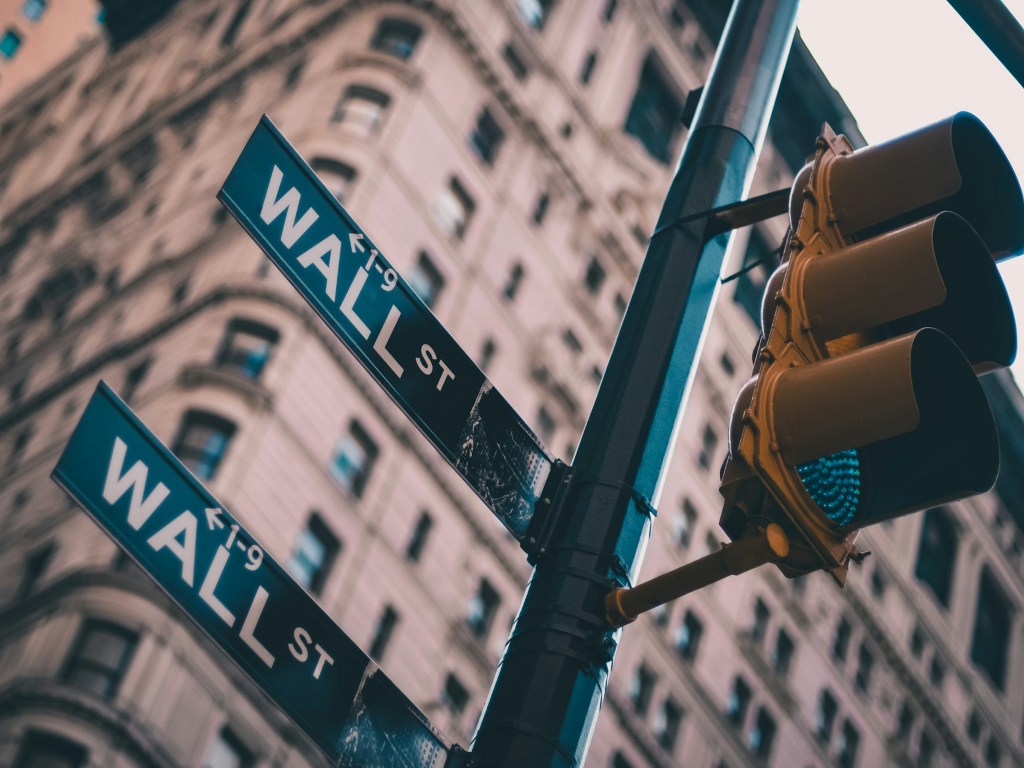
Recent high-profile U.S. listings have recorded sharp first-day gains, prompting renewed debate over whether Wall Street Banks are setting IPO prices too conservatively. Companies such as Figma, Circle, and Bullish saw their shares surge 250%, 168%, and 84% respectively, on debut, far exceeding the 15% to 20% range analysts consider healthy for balancing investor reward with issuer value.
Reuters data showed the 20 largest U.S. IPOs averaged a 36% first-day pop, leaving issuers short of about $6.1 billion in proceeds. Lukas Muehlbauer, Research Analyst at IPO research firm IPOX, stated, "In today's market, conservative IPO pricing is a strategic choice designed to build positive momentum and long-term brand equity (for issuers)." Underwriters face criticism for underpricing, but analysts cite caution amid tariffs, rate uncertainty, and volatile retail demand.
Industry experts argue that conservative pricing builds momentum and long-term brand value, while critics highlight that it reduces issuer capital at a time when demand is rebounding. The IPO market, largely stalled over the past three years, is regaining momentum with anticipated listings from Klarna, Gemini, and Medline. Although direct listings and SPACs offer alternatives, most companies still prefer the stability of traditional IPOs despite mispricing risks. With the Renaissance IPO Index up 15% this year, CFOs preparing for market entry may face growing pressure to balance cautious pricing with maximizing capital raised. This debate is highly relevant as it directly impacts capital-raising strategies, valuation outcomes, and the long-term positioning of their firms in public markets.